
Speaking For A Living
How to Launch Your Speaking Career Without Connections or Credentials
Get Paid For Your Message
I used to earn $4.25 an hour as a hotel doorman who spoke no English. Professional speakers earn $5,000 to $30,000 per speech. Today, I command $10,000 to $20,000 for a single keynote. That's not luck. It's a system. I want to show you how it works.
Why You Should Learn From Me
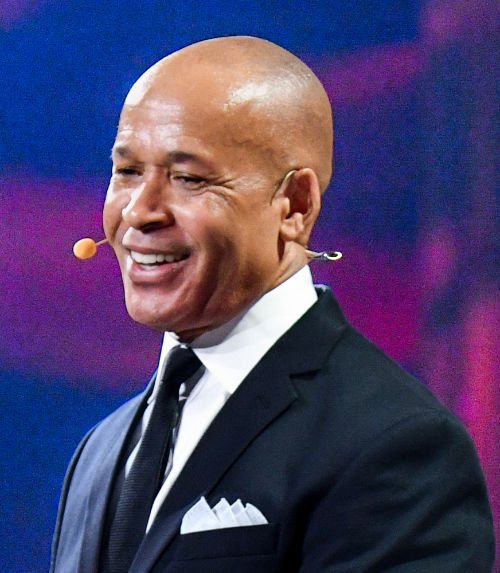
I'm Rene Godefroy. I have delivered over 1,600 paid presentations across around the world for the last 20 plus years.
I started in a poverty-stricken village in Haiti with no electricity or running water. At age 21, I arrived in America with $5, two shirts, and zero English skills. I worked as a janitor in Miami. My only corporate job was a hotel doorman earning $4.25 per hour.
When I told people I wanted to become a motivational speaker, they laughed. Without connections, credentials, and with my broken English, they thought I was joking.
Today, I earn $10,000 to $20,000 per keynote speech and have spoken for clients including Coca-Cola, Toyota, AT&T, Marriott, and the U.S. Army.
I created Speaking For A Living to share the exact strategies I used to build a 6-figure speaking career.
No fluff. No theory from someone who just teaches or read from books. Real tactics from someone who actually does this for a living.
Follow this proven 10 step system to go from zero experience to booking paid speeches within 12-24 months
Step 1: Identify Your Signature Topic
Choose one specific topic you'll speak about based on your story, expertise, or problem-solving ability.
Step 2: Craft Your Signature Talk
Write a complete 45-60 minute presentation that tells your story and delivers actionable takeaways.
Step 3: Practice and Refine Your Delivery
Practice your talk 20+ times and join Toastmasters for weekly feedback to build stage confidence.
Step 4: Deliver 20-30 Free Speeches
Speak for free at service clubs and networking groups to gain experience and collect testimonials.
Step 5: Create Your Professional Speaker Reel
Record a 3-5 minute video showing you presenting to an engaged live audience.
Step 6: Build Your Speaker Website
Create a one-page website featuring your reel, bio, topics, testimonials, and contact form.
Step 7: Market to Event Planners Directly
Email 10-20 meeting planners per week offering your services with personalized pitches.
Step 8: Join Speakers Bureaus
Submit your speaker kit to bureaus that represent speakers and pitch to corporate clients.
Step 9: Continuously Improve Your Craft
Invest in ongoing development through courses, coaching, and studying top speakers.
Step 10: Scale to Full-Time Income
Systematically increase fees, expand marketing, and diversify income to reach $100K+ annually.
Which Type of Speaker Do You Want to Be?
Motivational Speaker
Average Fee: $7,500 to $25,000
Inspire audiences through personal transformation stories and overcoming adversity. Speak at corporate events, schools, and conferences. This is best if you have compelling personal stories of triumph, choose this path.
Corporate Speaker
Average Fee: $10,000 to $30,000
Deliver opening/closing presentations at conferences with big-picture insights on leadership and business strategy. This is best for business executives, thought leaders, authors with industry expertise. You can be both types.
Corporate Trainer
Average Fee: $5,000 to $15,000/day
Teach specific skills through interactive workshops on leadership, sales, communication, and team building. This is best for subject matter experts with 5+ years of professional experience. Example maybe you are an AI expert.
Virtual Presenter
Average Fee: $2,500 to $10,000
Present online through webinars, virtual conferences, and live-streamed events from your home office. This is best for tech-savvy speakers who want geographic flexibility without travel. You'll need Zoom expertise.
Frequently Asked Questions About Speaking For A Living
Q: How do you get certified for motivational speaking?
There is no official certification required for motivational speaking. Unlike professions like accounting or medicine, motivational speaking has no licensing boards, required certifications, or mandatory credentials.
Some organizations offer optional "certified speaker" designations (like Certified Speaking Professional from the National Speakers Association), but these are earned designations based on experience and paid speeches delivered, not entry requirements. Event planners don't ask for certifications.
They want to see your speaker reel showing you captivating an audience, testimonials from past clients, and evidence you can inspire their specific audience. Skip expensive certification programs and instead invest in delivering 20 to 30 free speeches to build real experience, creating a professional speaker reel, and developing strong marketing materials.
Q: How can I start a career as a motivational speaker?
Start a motivational speaker career by following these 6 steps:
1. Identify your unique story or expertise by mining your personal experiences and professional knowledge for compelling material.
2. Craft a 45 to 60 minute signature keynote presentation with your core message and 3 to 5 actionable takeaways.
3. Create a shorter 20 minute version to deliver at civic clubs like Kiwanis International, Lions International, and Rotary clubs where you'll give 20 to 30 free speeches to build stage experience and collect testimonials. They are always looking for speakers.
4. Record every presentation and edit the best moments into a 3 to 5 minute speaker reel showing you engaging live audiences,
5. Build a simple speaker website featuring your reel, bio, testimonials, and contact form, and
6. Market consistently through email outreach to event planners, LinkedIn networking, and social media content creation. Most speakers book their first paid gig within 3 to 12 months of starting their free speaking circuit. No degree or certification required, your authentic story and stage presence are your qualifications.
Q: What qualifications do I need to be a motivational speaker?
You need zero qualifications, degrees, or certifications to become a motivational speaker. Event planners hire motivational speakers based on three factors: a compelling personal story of overcoming adversity or achieving success, the ability to inspire and connect emotionally with audiences, and testimonials from past presentations proving your impact. Many top earning motivational speakers including Les Brown, Rene Godefroy, Tony Robbins, and Eric Thomas started without college degrees or formal credentials. Your life experiences, resilience through challenges, and authentic passion for helping others transform their lives are the only qualifications that matter. Focus on developing a powerful and impactful signature story. Then practice your delivery as if you were going to perform at Carnegie Hall.
Q: How can I find my speaking niche?
Find your motivational speaking niche by identifying the intersection of three elements: your unique personal story or expertise, a specific audience that needs your message, and a problem you can help solve.
Start by asking yourself:
What major challenge have I overcome (addiction, poverty, disability, career failure, health crisis)?
What transformation can I teach others to achieve?
Who specifically benefits most from my experience (entrepreneurs, students, corporate employees, athletes, women, veterans)?
The strongest niches combine a compelling personal journey with a clear target audience and actionable outcomes.
Examples of profitable niches include resilience after adversity, leadership through crisis, work life balance for working mothers, mindset for athletes, or entrepreneurship after corporate careers. Avoid being a "general motivational speaker." Specialists charging $15,000+ focus on specific topics and audiences.
Q: Do I need a license to be a motivational speaker?
No license is required to be a motivational speaker in the United States or most countries. Motivational speaking is an unregulated profession with no government licensing requirements, professional boards, or mandatory certifications. You can legally call yourself a motivational speaker and accept payment for speeches without any license or permit.
However, you do need to register as a business (sole proprietorship, LLC, or corporation) for tax purposes once you start earning income, and you should carry liability insurance ($1 to 2 million coverage) to protect yourself if someone is injured at an event where you're speaking. Some speaking topics like financial advice, medical guidance, or legal counsel may require relevant professional licenses in those specific fields.
Q: How much money do motivational speakers make?
Motivational speakers earn $7,500 to $25,000 per event on average according to 2024 National Speakers Association data. Entry level motivational speakers charge $2,500 to $5,000 per speech while building their reputation. Experienced speakers with 50+ paid presentations earn $10,000 to $15,000 per event. Top tier motivational speakers with name recognition, bestselling books, or viral content command $25,000 to $100,000+ per keynote.
Full time motivational speakers typically deliver 40 to 60 paid speeches annually, generating $150,000 to $400,000 in annual income. However, reaching full time income requires 3 to 5 years of consistent effort including delivering free speeches initially, building testimonials, creating professional marketing materials, and consistently pitching event planners. The one thing to keep in mind is that you have to be extremely at captivating and holding attention. That determines your fee more than anything else. Master your craft.
Q: How much do professional speakers make?
Professional speakers earn $5,000 to $30,000 per speech on average. Entry-level speakers charge $2,500-$7,500, mid-tier speakers earn $10,000-$20,000, and top speakers command $25,000-$100,000+ per event. Full-time speakers deliver 40-80 annual speeches.
Q: How long does it take to start making money speaking?
Most speakers book their first paid gig within 12-24 months after delivering 20-50 free speeches to build experience and testimonials. Reaching full-time income ($100,000+ annually) typically takes 3-5 years of consistent effort.
Q: Do I need a college degree to be a speaker?
No. Event planners hire speakers based on compelling stories, stage presence, and testimonials, not educational credentials. Many top speakers including Tony Robbins and Les Brown have no college degree
Q: How do I get booked for speaking events?
Professional speakers get booked through four channels: speakers bureaus (30-50% of bookings), direct marketing to event planners (20-30%), referrals from past audiences (30-40%), and website inquiries (10-20%).
Q: Do I need a TED talk to become a successful speaker?
No. 95% of professional speakers earning $100,000+ annually have never given a TED talk. You need a professional speaker reel, clear niche, testimonials from clients, and consistent marketing to event planners.
Q: Can I be a speaker while keeping my full-time job?
Yes. Most professional speakers start part-time while working full-time jobs for 2-4 years. Part-time speakers deliver 10-25 paid speeches annually, earning $25,000-$125,000 additional income.