How to start a speaking business is not a paperwork question. It is a stage question.
Picture a new speaker who spends three months on a logo, a company name, and legal forms, and has still never spoken to a real audience. The business is ready. The speaker is not.
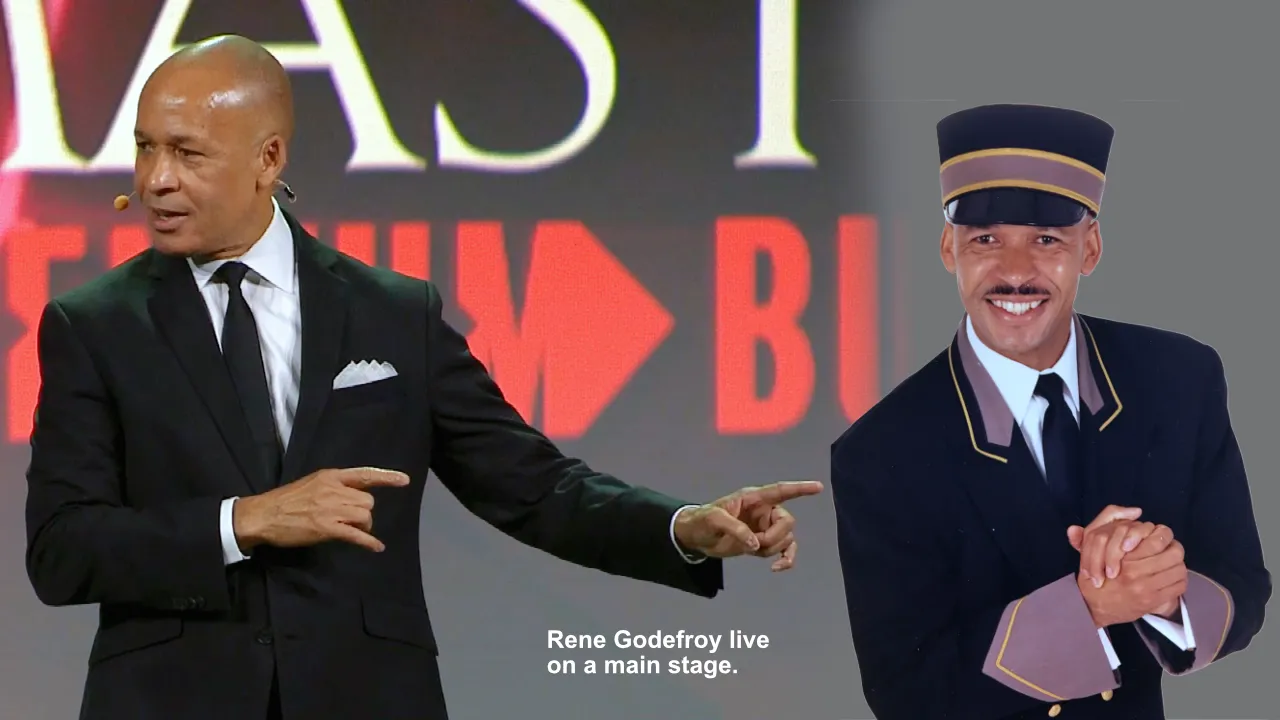
When I started, I did not register a company. I had no business structure. I printed some business cards. That was it. I came to America at 21 with $5, two shirts, and no English, and I worked as a doorman for 14 years. I did not wait for my business to look official.
Here is what that means for you. A speaking business does not begin when the paperwork is done. It begins when a stranger hears you and asks for your card. Launch fast. Get some paid gigs first. Think about structure after the money starts.
The short answer: To start a speaking business, launch as soon as you can with a clear message, a simple website, and business cards. Speak for free at civic clubs to build practice, testimonials, and referrals. Ask a few speakers at your level what they charge, set your fee, sign an agreement, and collect a deposit. Worry about a company structure after paid gigs begin.
These steps are in the order I would follow today. None of them requires a company.
Step 1: Write Your Message With AI
You need a message before you need a brand. What do you speak about, who needs it, and what do they walk away with?
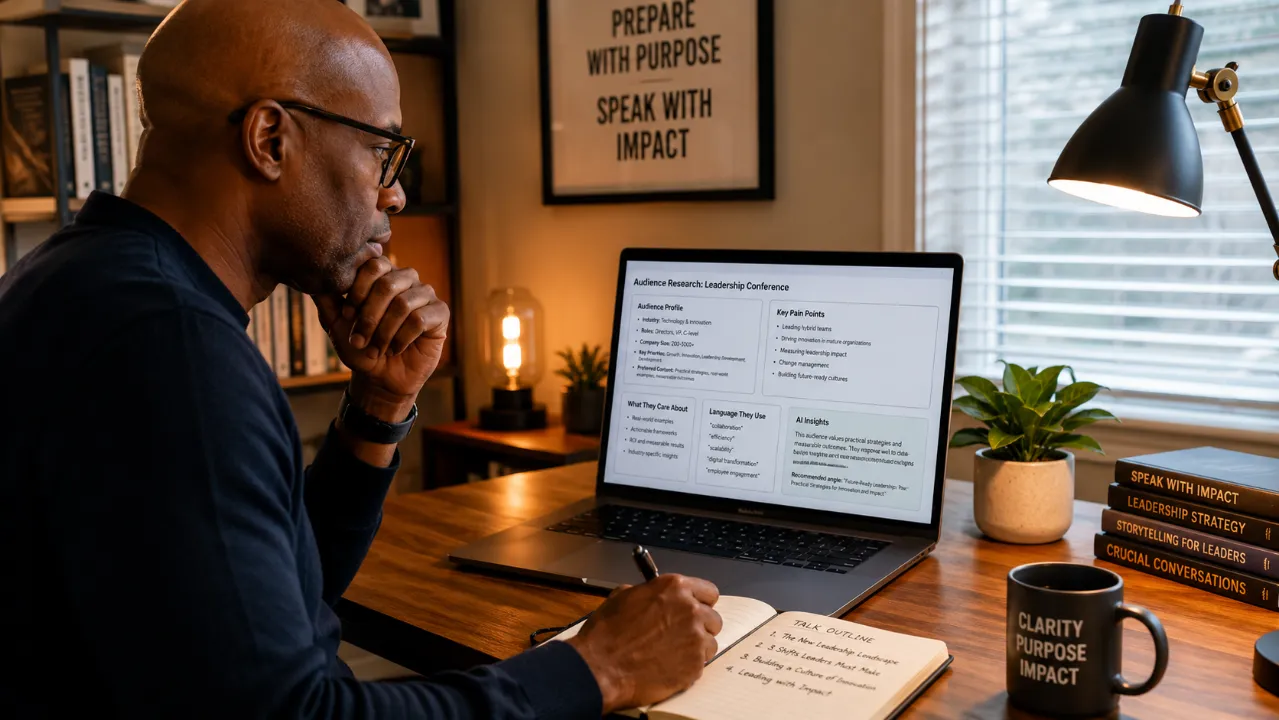
Today, AI makes this part easier than it was for me. Use it to draft your message, your takeaways, your talk description, and your about page. Then edit every line until it sounds like you and every detail is true. AI can help you organize your story. You still have to be the one who lived it.
If you are still searching for your message, start with How to Become a Motivational Speaker.
Step 2: Build a Simple Website and Print Your Cards
A website matters. A planner who hears your name will often look you up before anything else. With AI, creating a website is easier than it used to be.
Keep it simple. Put up your message, your takeaways, your talk descriptions, an about page, and a way to contact you. Add video and testimonials as you collect them.
Then print business cards. They are cheap, and they give someone a way to reach you after a talk. That is how I started.
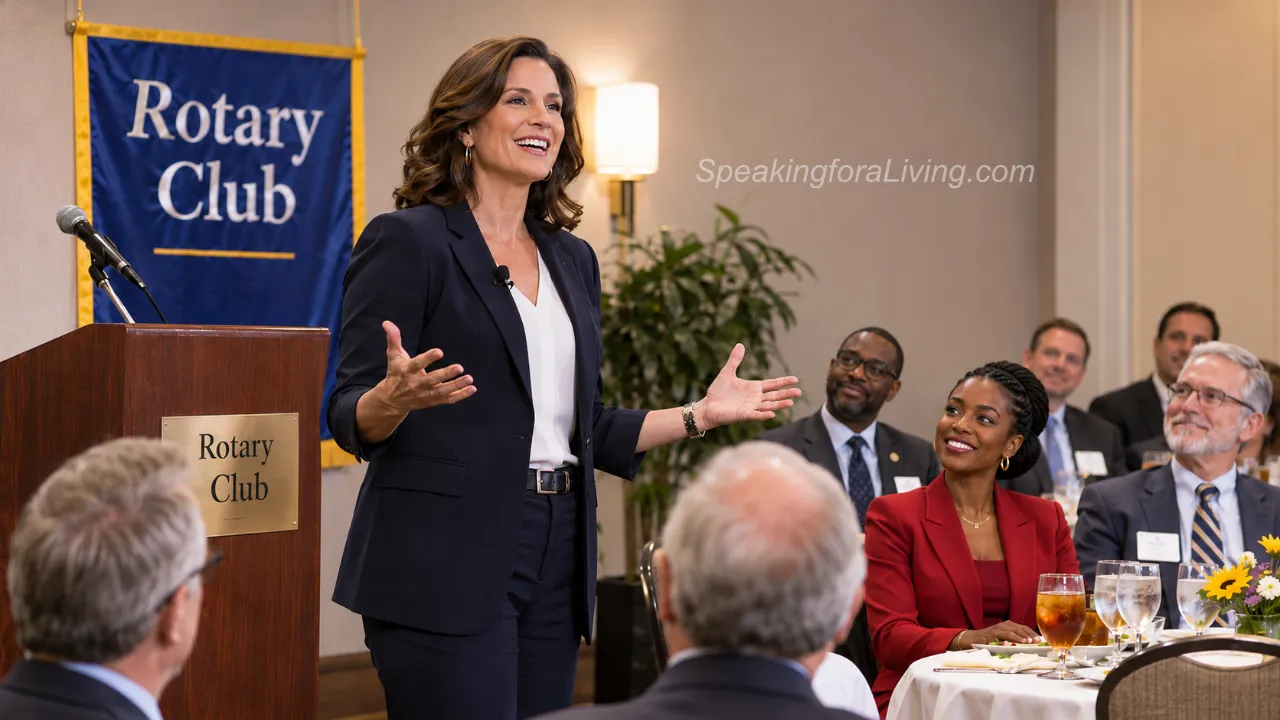
Step 3: Speak for Free at Civic Clubs
I started speaking for free. In my experience, many of the top name speakers did the same.
Free is the right price when you are just getting started, because you need practice, testimonials, and referrals more than you need a check. I rehearsed on empty conference stages after my doorman shifts. A civic club gives you a live room with real people in it.
Here is where to look:
- Kiwanis International
- Jaycees International
- Optimist International
- Rotary clubs
Rotary clubs are great, but you need a Rotarian to recommend you.
Be honest with yourself about what these rooms pay. They do not pay. You may get a free meal, a pen, or both. They usually ask for a 20 minute speech. Take it.
Treat it like a paid gig
Show up like someone is paying you. Prepare. Be on time. Give the full 20 minutes everything you have. Someone in that room may be connected to your next booking, and you will not know who until later.
Turn compliments into testimonials
When someone gives you a nice compliment after your talk, say thank you. Then ask, “Is it okay if I quote you?” If they say yes, get their name and their company. That becomes a testimonial for your website.
Ask for referrals during the talk
Ask for referrals. You can ask directly, or you can ask more indirectly. Either way, ask during the talk, while the room is still with you. A room full of people who just heard you know other people who book speakers. Many people will not offer unless you ask.
Step 4: Keep Your Relationships Alive
Business cards work in both directions.
Years before I had a real speaking business, I was a doorman at an Atlanta hotel. One day I unloaded the bags of Lance Osborne, who was then a regional sales coordinator at Aflac. I told him, “Sir, I’m going to be a motivational speaker.” He said, “You’re going to make it. I can see it in your eyes.” He gave me his card.
I kept that card next to my desk for 10 years.
Years later, Lance called me to speak for Aflac. I read him his old card from memory.
I did not need a CRM early on. Later I did. Until you do, keep your cards, write down who said yes, and follow up.
The lesson is simple. Not every relationship pays off this month. Some pay off years later. Keep the card.
Step 5: Set Your First Fee by Asking Five Speakers
Do not guess your fee. Find five speakers who are at your level or who are just getting started, and match their pricing.
You can find them at your local chapter of the National Speakers Association. Most chapters have plenty of speakers in that range. Ask them. Most speakers will tell you what they charge when you ask with respect.
Settle on a number before anyone asks for it. My first paid talk came from a free one at the Shepherd Center in Atlanta. A woman asked how much I would charge. I had not set a fee. I hesitated and said, “How much do you have?” She said $1,500. I said, “Absolutely.”
Decide your number ahead of time, before anyone asks.
Step 6: Get Paid the Right Way
A paid talk needs an agreement. Here is how I handle the money.
- A 50% deposit. I collect it in advance, when the agreement is signed.
- The other 50% on arrival. It is due before the speech.
- Expenses. In the past, I sent them later. Today I advise a flat fee that includes expenses. I add $1,500 on top of my fee to cover expenses.
One flat number is cleaner than an expense report. It is also one less thing to explain.
After I established myself, I raised my fee to $10,000. I was sure nobody would pay it. A woman called me from Fort McMurray, Canada, and asked what I charged. I said $10,000. Then I added, “Would that work for you?” That was a mistake, and I almost choked from fear. She said no problem. She asked whether it included expenses. I said no. She said no problem again, and asked for an agreement and invoices.
State your fee and stop talking. The paperwork is what makes the booking real, so have yours ready before the call comes.
Step 7: Add Structure After the Money Starts
I did not register a company at the start. I had no business structure. I focused on getting paid gigs, and I thought about that later.
That is my advice to you. Do not let forms stand between you and your first talk. Once paid gigs begin, you will have real income and real questions, and those are the right questions to answer.
How to Start a Speaking Business With No Money
You do not need much. Business cards are cheap. Civic clubs give you a free stage. AI helps you write your message, your talk descriptions, and your about page. A simple website puts it all in one place.
I know what it is to start with almost nothing. I came to America with $5, two shirts, and no English. What you are building is not expensive. It is a message, a room, and the nerve to ask. The first room will not pay you. It will give you practice, a testimonial, and maybe a referral, and those are what lead to the first paid gig.
Frequently Asked Questions
Do I need an LLC or company to start a speaking business?
No. I did not register a company, and I had no business structure when I started. Launch first. Think about structure after you start getting paid gigs.
How do I get my first speaking gigs?
Start by speaking for free at civic clubs such as Kiwanis International, Jaycees International, Optimist International, and Rotary clubs. Rotary requires a Rotarian to recommend you. Show up as if it were a paid gig, collect testimonials, and ask for referrals.
Do civic clubs pay speakers?
No. You may get a free meal, a pen, or both. They usually ask for a 20 minute speech. What you earn is practice, testimonials, and referrals.
How much should I charge as a new speaker?
Ask five speakers who are at your level or just getting started, and match their pricing. A local National Speakers Association chapter is a good place to find them.
How should I handle payment and expenses?
I collect a 50% deposit when the agreement is signed and the other 50% on arrival before the speech. Today I advise a flat fee that includes expenses. I add $1,500 on top of my fee for expenses.
Do I need a website to start a speaking business?
Yes. A website matters. With AI, it is easy to draft your message, your takeaways, your talk description, and your about page, and then to put the site together. Edit everything until it is true and sounds like you.
How long is a typical civic club talk?
The civic clubs I mentioned usually ask for a 20 minute speech. Prepare for exactly that, and treat it like a paid gig.
Do I need a CRM to start a speaking business?
I did not need one early on. Later I did. Start with a simple list of the people you meet, and move to a CRM when the list outgrows you.
Are You Ready to Speak for Pay?
Before you book your first civic club, find out where you stand. Take the Speaker Readiness Test and see what to fix first.
Let Me Conclude by Saying
A business card weighs almost nothing. I printed mine. Lance Osborne handed me his, and I kept it next to my desk for 10 years.
Cards are small. What matters is who ends up holding yours, and whether you gave them a reason to call.
This week, print your cards. Call one civic club and book a 20 minute talk. Show up like you are being paid.
No condition is permanent. Start with the card you can print.
There you have it. Much success to you! Press on!